CNC Vertical Lathe Buyer’s Guide: How to Choose the Right 天美直播for Large and Heavy Workpieces
Choosing a vertical turning machine is not simply a matter of selecting the largest available model. For manufacturers machining large-diameter, heavy or short rotational components, the right machine must match the workpiece envelope, loading method, cutting requirements, production volume, control system and future expansion plans.
What Is a CNC Vertical Lathe?
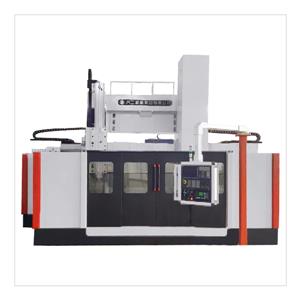
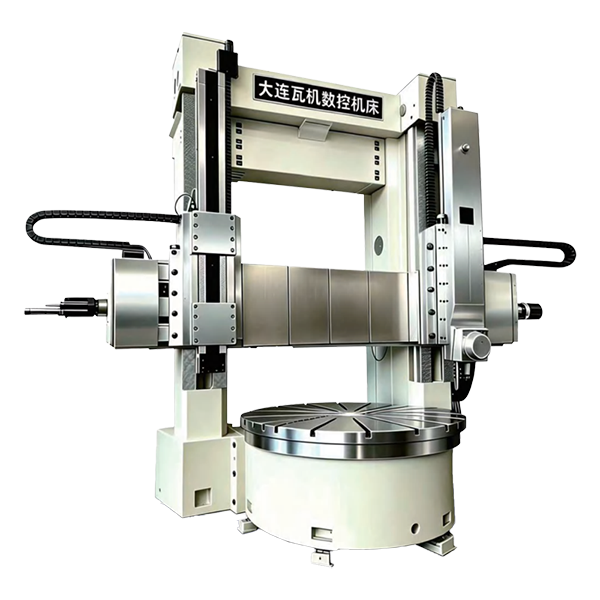
A CNC vertical lathe is a turning machine in which the workpiece is mounted on a horizontal rotating table while the main machining structure and cutting tool operate around a vertical axis. This layout is particularly useful when the component is large in diameter, heavy, relatively short, or difficult to support securely on a conventional horizontal lathe.
In a typical vertical turning process, the workpiece is loaded onto the table, clamped securely, and rotated while the tool performs operations such as facing, outside turning, inside turning, grooving, chamfering and other programmed contours. Depending on the machine configuration and tooling, additional machining functions can also be integrated.
The key point for a buyer is that a vertical lathe is selected around the workpiece envelope and machining process, not around the machine name alone. Two machines both described as a “vertical lathe” can have very different table diameters, maximum turning diameters, workpiece heights, load capacities, spindle torque and ram travel.
Why Choose a Vertical Turning Lathe Instead of a Horizontal Lathe?
A vertical turning lathe is often a strong choice when the workpiece has a large diameter relative to its height. The horizontal table supports the component from below, which can simplify loading and clamping of heavy parts. The configuration also makes it practical to machine components that would be awkward to support horizontally.
1. Better suited to large-diameter parts
Large flanges, gear blanks, bearing components, turbine-related parts and other ring-shaped or disk-shaped components can be difficult to handle on a conventional horizontal machine. A vertical layout gives the manufacturer a workholding arrangement designed around this geometry.
2. Practical loading of heavy workpieces
For heavy industrial components, loading is a major part of the production process. A vertical table provides a natural support surface for the component after it has been lifted into position, although the actual lifting, rigging and clamping procedure must always be designed for the machine and workpiece.
3. Strong platform for heavy cutting
Heavy turning requires rigidity, stable guideways, adequate table torque and a drive system matched to the cutting load. These factors can be more important than maximum spindle speed when the primary goal is reliable material removal from large steel or cast components.
4. Efficient use of factory space
For some large workpieces, a vertical configuration can provide a compact machine layout relative to the machining envelope. The actual footprint should still be checked together with crane access, chip handling, operator access, electrical equipment and maintenance space.
Single Column Vertical Lathe vs. Double Column Vertical Lathe
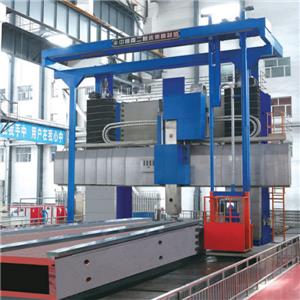
One of the most important purchasing decisions is choosing between a single column vertical lathe and a double-column design. The correct choice depends on the maximum workpiece size, weight, required rigidity and production process.
Factor | Single Column Vertical Lathe | Double Column / Heavy-Duty Vertical Lathe |
Typical positioning | Medium to large rotational components where the required machining envelope fits within a single-column structure. | Very large or heavy components where additional structural support and a larger machining envelope are required. |
Workpiece size | Suitable when diameter, height and weight remain within the selected model’s rated capacity. | Better suited to very large diameters, greater workpiece heights or heavier loads. |
Rigidity requirements | Strong choice for many general heavy-turning applications. | Useful when heavy cutting, large tools or very high structural stiffness are priorities. |
Factory considerations | Often easier to integrate where floor space and handling capacity are moderate. | Requires careful planning for foundation, crane capacity, access and installation. |
Do not choose the double-column option simply because it appears more powerful. Oversizing can increase purchase, installation and operating costs. Instead, give the Dalian Waji your actual workpiece drawing, material, weight and machining cycle so the machine can be sized around the application.